
Blog · 2026-11-23
Return Vents vs. Supply Vents: Why the Returns Get Dirtiest
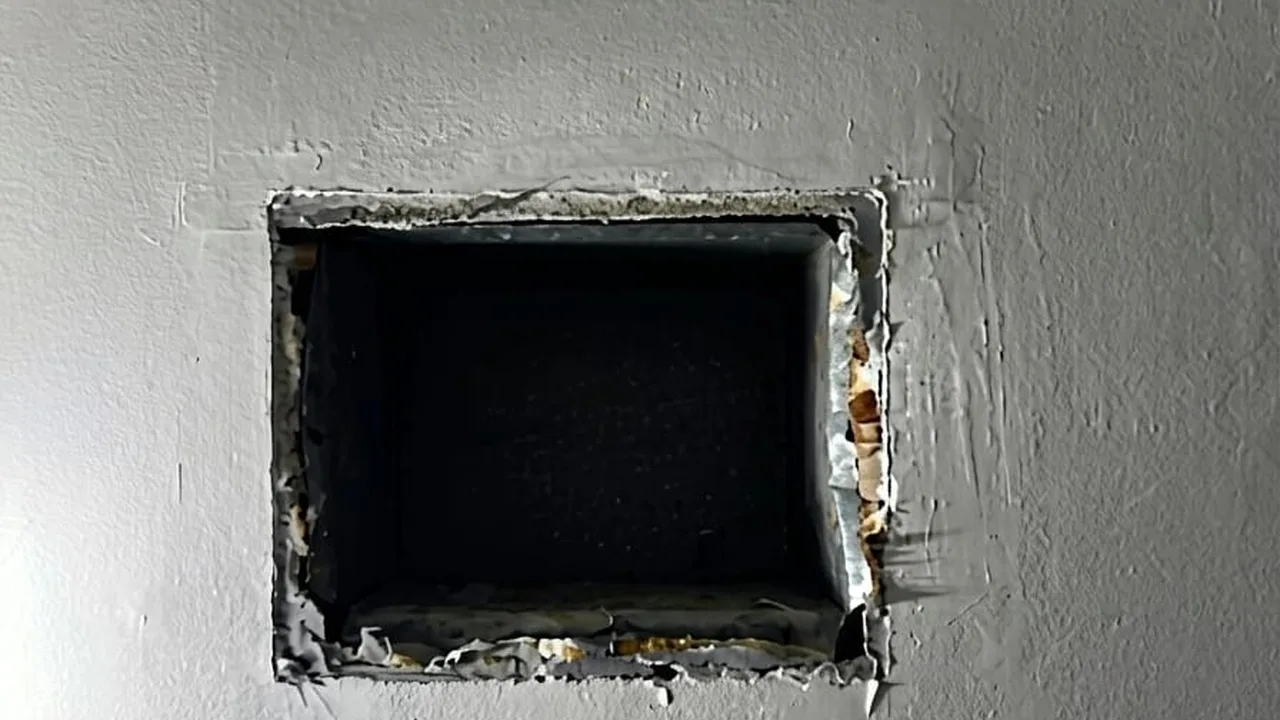
The fast answer: your duct system has two sides doing opposite jobs. Supply vents push conditioned air into your rooms. Return vents pull room air — and everything floating in it — back toward the air handler, where it passes the filter and starts the cycle again. Because the return side is the system's intake, it collects dust, pet hair, dander and carpet fibre first and heaviest. A fuzzy return grille is not a cosmetic detail: it is the visible edge of what the whole return side has been breathing in, and it is why a proper full-system air duct cleaning always cleans both sides, not just the vents you feel air coming out of.
How to tell a return from a supply in your own home
Hold a tissue near the grille while the system runs. At a supply vent, the tissue blows away — air is coming out. At a return, the tissue is pulled flat against the grille — air is going in. Supplies are usually the smaller vents, often high on a wall, in a ceiling or in the floor of each room. Returns are usually fewer and larger: the big grille in a hallway, living room or stairwell that hums when the system runs. Many Maryland homes have one large central return per floor, which means that single grille handles the intake air for every room on that level — and collects accordingly.
Why the return side loads first
Everything your household sheds into the air eventually passes a return. Dust from bedding and upholstery, hair and dander from pets, fibres from carpet and clothing, pollen tracked in from a Maryland spring — the return side is where all of it enters the ductwork. The grille itself acts as a crude first screen, which is why return covers grow that familiar grey fur. Behind the cover, the first feet of return duct and the return trunk line carry the heaviest load in the system, because the air there has not yet reached the filter. By the time air passes the filter and travels the supply side, much of that load has been caught — which is why supply runs in the same home are often visibly cleaner than the returns feeding them.
What each side tells you
A return grille that furs up again within weeks of being wiped down means the load behind it is deep, not surface dirt. A dark halo on the wall or ceiling around a return is fine dust that missed the grille and settled where the air bends toward it — a sign the intake has been working hard for a long time. Dust blowing out of a supply vent at startup points the other way: either the filter is loaded or poorly seated and letting material past, or the supply side itself is shedding stored buildup. One room's supply barely blowing while others feel strong is rarely a return problem at all — it is more often a crushed, sagging or partly disconnected run, the kind of finding a duct camera inspection settles in minutes. Reading the two sides separately keeps you from paying to fix the wrong one.
The blocked-return mistake
Returns need to breathe, and in real homes they often cannot. A sofa pushed against the hallway return, a rug over a floor return, boxes stacked in front of the basement grille — a starved return makes the whole system work harder, pulls dust in around doors and through gaps instead, and can leave rooms uneven no matter how clean the ducts are. In homes across Beltsville, Silver Spring and Laurel, the cheapest comfort fix we suggest all year is simply moving furniture a few inches so the main return draws freely. Check yours before you book anything: every return in the house should have clear space in front of it, all the time.
What cleaning each side actually involves
On the return side, covers come off and are washed, and the return runs and trunk lines are brushed under sealed negative pressure — that is where the matted hair and dander layer lives, and it is also where our allergy and indoor air quality work concentrates, because the return load is the reservoir the system re-circulates. On the supply side, every supply run in the unit is cleaned to its register, however many there are. The air handler and blower compartment, where the two sides meet, are part of the same visit. Before-and-after camera photos cover both sides, so you can see the return trunk that was furred and the supply run that was shedding — not just take a crew's word for either. Our published cleaning standard sets out the full sequence.
Between cleanings: the five-minute return routine
Vacuum return grilles monthly with a brush attachment — it takes minutes and keeps the intake breathing. Never run the system with a return cover removed for days at a time; unfiltered intake air loads the blower and coil directly. Change the filter on schedule, and check that it sits flat with no gaps at the edges — a bowed or undersized filter lets return air bypass it entirely, and the supply side pays for it. Keep returns unblocked when you rearrange furniture, especially the one big return per floor. Homes in Rockville, Bethesda, Columbia and Bowie with pets should treat the return routine as monthly, not seasonal — pet load reaches the returns faster than anything else a house produces, as our guide to pet dander in ductwork explains.
When the returns are telling you to book
If the return grilles fur up again within weeks, if dust puffs from supplies at startup, or if the honest answer to when the system was last cleaned is a guess, the two sides of your ductwork have given you their report. Start with a camera inspection if you want to see the return trunk and a far supply run for yourself before deciding, or book the full cleaning if the signs already agree. Call Eagle Air Duct Cleaning at (855) 640-0404 — answered 24/7 — or use the lead form on this page. Every quote is free, and we serve Beltsville and communities across Maryland, Washington DC and Northern Virginia.
Questions we hear on this topic
Hold a tissue near the grille while the system runs. Air blowing out means a supply vent; the tissue being pulled flat against the grille means a return. Returns are usually the larger grilles — often one big one per floor in a hallway or living room.
Because the return side is the system's intake. All the air in your home — with its dust, hair, dander and fibres — passes through the returns before it reaches the filter, so the return grilles and return trunk lines collect the load first and heaviest.
Yes. A full-system cleaning covers every supply run, every return run and the trunk lines, plus the air handler area where the two sides meet — with before-and-after camera photos on both sides. A vent-only pass that skips the returns misses the dirtiest part of the system.
Want us to look inside your ducts?
Book a cleaning or a camera inspection — and get the seasonal free dryer vent cleaning with a full duct cleaning, same visit.