
Blog · 2026-11-13
Pet Dander in Your Ductwork: Why It Outlives the Vacuum
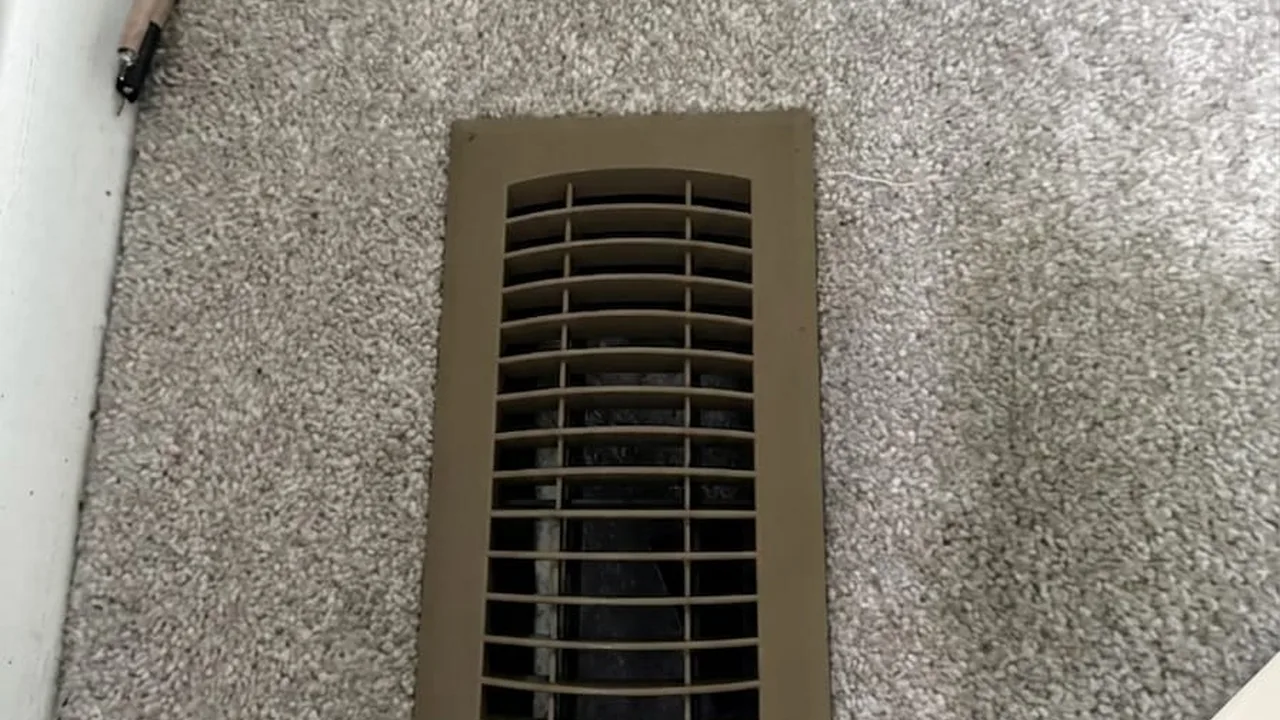
Ask a pet owner about dander and they will point at the hair on the sofa. That hair is the easy part. Dander — the microscopic flakes of skin every pet sheds constantly — is light enough to stay airborne, small enough to pass through the rooms you vacuum daily, and perfectly sized to be collected by the one system that moves all the air in your house: your ductwork.
How dander builds up in a system
Return vents pull room air — and everything floating in it — toward the air handler. Hair mats at return grilles and in the first feet of return runs, while the finer dander settles along trunk lines and supply runs, mixing with dust into the layer that coats every system over time. The system then does what it is designed to do: it circulates air, and a share of that layer, through every room, every cycle. It is why pet symptoms can linger in a home that is vacuumed daily — the reservoir is not on the floor. It is in the walls.
Why it outlives the pets
Dander is stubborn. It clings to duct surfaces and embedded dust, and it degrades slowly, which is why a family can move into a home, develop symptoms, and be baffled — the previous owners' dog left two years ago. For buyers with allergies, a pet-history home is one of the strongest cases for cleaning before move-in, alongside the seasonal pollen load Maryland adds every spring. Our allergy and indoor air quality service is built for both situations.
What a proper cleaning does about it
Dander lives in the whole system, so the fix has to reach the whole system: every supply and return, the trunk lines and the return side where the load is heaviest, cleaned by contact brushing under sealed negative pressure — the full cleaning standard, not a surface pass at the registers. A sanitizing finish treats the surfaces afterwards, which matters in pet homes because the load is organic. This is also why pet households sit on the shorter end of the cleaning rhythm in our how-often guide: two to three years, not five.
Living with pets between cleanings
Filters matter more in pet homes. Check monthly; a hair-loaded filter is an open door for dander to keep circulating. Groom and brush outdoors where the coat allows it — dander prevented beats dander collected. Keep returns unblocked and vacuum return grilles themselves; they are the system's intake. Hard floors in sleeping areas hold less dander than carpet where you breathe all night.
The rooms that load the system fastest
Dander is not spread evenly through a house, and neither is the load in its ducts. The rooms where pets sleep dominate the map — dander sheds all night into bedding and carpet, and the nearest return pulls it in. Litter-box rooms run second: fine litter dust is exactly the size that travels. Grooming spots and the couch the dog has claimed round out the list, and the returns serving those rooms show it on camera.
Between cleanings, work the same map. Brush pets outdoors or in one room rather than everywhere. Washable covers on pet furniture beat shampooing the furniture. And vacuum the return cover in the pet's main room monthly — that cover is a dander diary, and keeping it clear keeps the system breathing the room's air, not its archive.
The honest bottom line
You cannot vacuum your way to a dander-free duct system, because the vacuum never reaches it. A full-system cleaning empties the reservoir in one visit — verified on camera, before and after. Call Eagle Air Duct Cleaning at (855) 640-0404 to book, and tell us about the pets; it changes what we look for first.
Questions we hear on this topic
Yes. Dander is light, sticky and long-lived, and it stays in ductwork long after a pet has left the home. It is one of the most common reasons new owners book a cleaning: the previous household's pets are still in the air system.
The share of the odour that lives in the duct reservoir leaves with the cleaning. Odour that has soaked into carpet padding or soft furnishings lives elsewhere — and when we see the camera pictures, we will tell you honestly which share is the ducts.
Every 2–3 years for most pet homes, and sooner if symptoms or visible buildup say so. Multi-pet homes, and homes with allergy sufferers, sit at the short end of that range.
Want us to look inside your ducts?
Book a cleaning or a camera inspection — and get the seasonal free dryer vent cleaning with a full duct cleaning, same visit.