
Blog · 2026-11-21
That Burning-Dust Smell When the Heat First Comes On: Normal or Not?
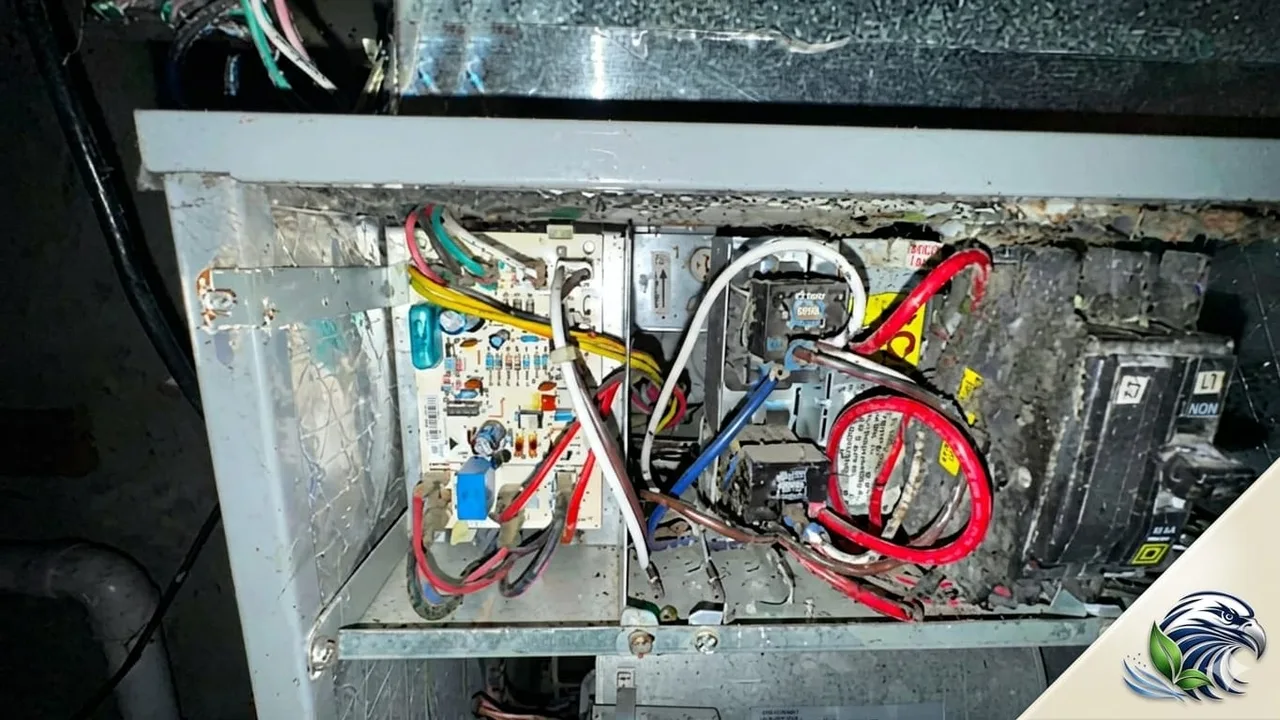
The fast answer: a dusty, slightly burnt smell during the first hour or two of the heating season is usually normal. All summer, dust settled on the heat exchanger, the blower and the inside of your ductwork while the heating side sat idle. The first real heating cycles burn and blow that layer off, and the smell should fade the same day. If the smell is still strong after a day of regular heating, keeps coming back on every cycle weeks later, smells musty rather than dusty, or arrives with visible smoke or a burning-electrical odour — that is no longer first-day dust, and it deserves a closer look.
Why the first cold night smells like that
A heating system spends most of a Maryland summer doing half its job. The cooling side runs, but the furnace or heat strips can sit untouched from April to November — while dust settles on every warm-side surface, coats the blower compartment, and lines the ductwork near the air handler. When the first cold snap hits Beltsville, Silver Spring and Columbia and thermostats switch to heat on the same evening, that stored layer gets its first blast of hot air in months. What you smell is the layer leaving — part scorching lightly on hot surfaces, the rest lifting into the airstream. Unpleasant, brief, and in a maintained system, harmless.
The normal version, hour by hour
The first cycle smells strongest. Open a window or two if the evening allows it and let the system run rather than switching it off — stopping and starting stretches the process over days. By the second and third cycles the smell should be clearly weaker. By the end of the first day of normal heating, most homes notice it only faintly at startup, or not at all. After two or three days of regular use, a dusty burning smell that is still obvious on every cycle has outstayed the normal explanation. That timeline is the test: normal first-heat dust burns off on a schedule measured in hours, not weeks.
When the smell is telling you something else
It smells musty, not dusty. A sour, stale odour that returns at the start of every cycle — in November and still in January — is the pattern from our list of signs your ducts need cleaning: growth on buildup inside the system, fed by moisture and dust. That source does not burn off, because it is not on the hot surfaces. It lives in the ductwork itself.
Dust pours out with the smell. If vents puff visible dust when the heat starts and furniture films over within days, the ducts are loaded enough to shed. The smell is the least of it — the system is distributing its reservoir into your rooms on every cycle, which is exactly what a full-system air duct cleaning empties.
It smells electrical, sharp or like burning plastic. Turn the system off and treat this one differently. That odour points at the equipment — a struggling blower motor, wiring or controls — not at dust. That is an HVAC repair call, and our guide to duct cleaning versus HVAC maintenance explains where that line sits. Do not run a system that smells like it is scorching itself to see if it improves.
There is smoke, or a smoke alarm trips. System off, and if there is any sign of actual fire, out of the house and call the fire department first. Real smoke is never a duct-cleaning question.
What you can check yourself in ten minutes
The filter. If it is grey and matted after a summer of loading up, replace it before judging anything else — it is the cheapest variable in the system. The registers. Pull one supply cover and one return cover and look inside with a flashlight. A light film is normal; a thick, fuzzy coating or debris packed into the first feet of the run means the smell has company. The air handler area. Look — without opening electrical panels — for heavy dust and any moisture or staining near the unit; moisture plus dust is the combination behind the musty version of this smell. Your own calendar. If the honest answer to "when were the ducts last cleaned" is "never," a lingering first-heat smell is the system introducing itself.
How the lingering version gets fixed
When the smell lives in the ductwork, the fix is source removal: every supply and return, the trunk lines and the area around the air handler cleaned by contact brushing under sealed negative pressure, following our published cleaning standard, so the material causing the odour leaves the house instead of redistributing. Where the odour is microbial — the musty version — duct sanitizing after the cleaning treats the surfaces it lived on; our article on when sanitizing is worth it covers that call honestly. If you want evidence before deciding, an HVAC duct camera inspection shows you the inside of your own ducts on screen — loaded runs, moisture marks and debris included — and the recommendation follows the pictures. Homes in Rockville, Bethesda, Bowie and Laurel get the same answer we give in Beltsville: if the camera shows a light film, we will tell you the smell is first-week dust and the system can wait.
One smell, two very different meanings
First-day dust is your heating system clearing its throat. A smell that is still there next week, that smells musty instead of dusty, or that shares the house with dust pouring from the vents, is a loaded duct system asking for attention before the closed-house winter makes it a season-long companion — our winter indoor air guide explains why it only gets more noticeable from here. Call Eagle Air Duct Cleaning at (855) 640-0404 — answered 24/7 — or use the lead form on this page for a free quote or a camera inspection. We will tell you plainly which of the two smells yours is.
Want us to look inside your ducts?
Book a cleaning or a camera inspection — and get the seasonal free dryer vent cleaning with a full duct cleaning, same visit.