
Blog · 2026-11-19
Winter Indoor Air: Why Your Ducts Matter More When the House Stays Closed
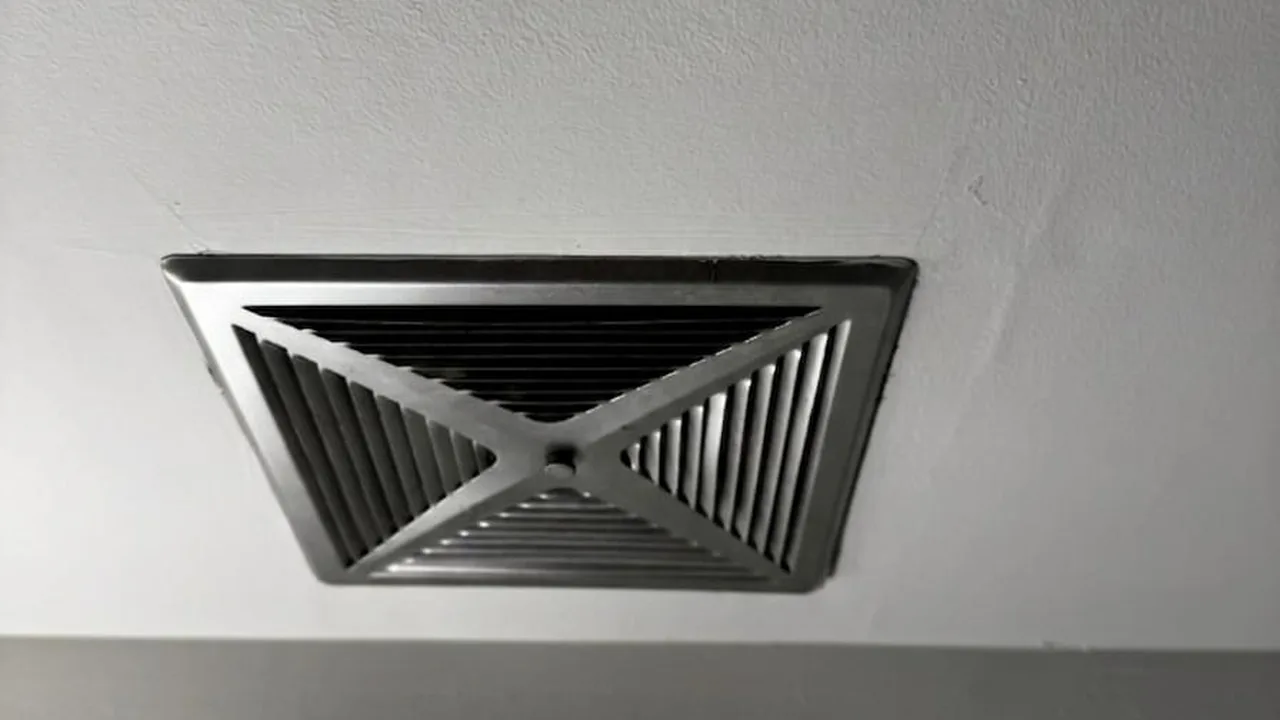
The fast answer: winter is when your ductwork matters most, because winter is when your home becomes a closed loop. From the first cold night in Maryland until spring, the windows stay shut, the heating runs for hours every day, and the same air is pulled through your returns, pushed across whatever has built up inside your ducts, and delivered back to your rooms — again and again, for months. If the ducts carry a load of dust, pollen and pet dander, winter gives it a season-long tour of your house.
Summer forgives. Winter does not.
In the warmer months a home breathes, even if nobody plans it that way. Windows open on mild evenings, and the system runs in shorter cooling cycles. Fresh air dilutes whatever the ductwork sheds, and a borderline system can go unnoticed from May to September. Winter removes every one of those safety valves. Homes in Beltsville, Silver Spring and Rockville seal up against the cold, the furnace or heat pump becomes the hardest-working machine in the house, and the air inside is almost entirely recycled air. What is stored in the ducts is no longer one influence among many. For months, it is close to the whole story.
What your ducts collected before the first cold night
A duct system does not start winter empty. It starts winter holding the previous seasons: spring and summer pollen that rode in on clothes and pets, autumn dust, cooking residue, and the steady load of skin flakes and fabric fibres every household produces. Our guide to pet dander in your ductwork explains why that share, in a pet home, keeps circulating long after the floors have been vacuumed. None of it leaves on its own. It sits in the reservoir inside supplies, returns and trunk lines until airflow lifts a share back into the rooms — and winter airflow is the longest of the year.
The winter signs are easy to misread
Winter duct problems rarely announce themselves as duct problems. Dust settles faster than you can clean it. A grey film returns to shelves and screens within days, because the system is running long cycles through a loaded reservoir. The startup smell is stronger. That musty blast in the first minutes of a heating cycle, familiar from our list of signs your ducts need cleaning, hits harder when the heat runs all day and the house never airs out. Symptoms gather indoors. Sneezing and congestion that ease on a day out and return at home point at the air inside, not the weather outside. Some rooms drift cold. A run partly choked with debris matters most when the system works hardest, so a bedroom in Bethesda or Columbia that was merely uneven in October can feel properly cold in January.
Why the filter cannot save a loaded system
The furnace filter is the first defence, and in winter it deserves more attention than in any other season — check it monthly while the heat runs daily, because a clogged filter starves airflow and lets the system recirculate what it should be catching. But a filter can only catch what reaches it, in the air, on that pass. It cannot empty dust settled deep inside supply runs beyond the blower, or remove the layer coating the return trunks behind it. A clean filter in front of dirty ducts is a good habit in front of an unsolved problem. The reservoir itself is emptied by a full-system air duct cleaning, done by contact brushing under sealed negative pressure — the method in our cleaning standard.
Five winter habits that genuinely help
Keep every return clear. A return vent blocked by a sofa, a rug or holiday storage starves the system and concentrates dust everywhere else. Returns are the intake — treat them like it. Vacuum the grilles themselves. Supply and return covers collect the visible edge of the load; a brush attachment once a month keeps that edge from shedding. Bring less in. Shoes and heavy coats at the door matter in winter too — road grit and outdoor dust arrive on fabric and boots. Wash bedding warm, weekly. The bedroom is where you breathe the longest stretch of recycled air. Do not close off rooms to save heat without a plan. Shutting many supply vents raises pressure and can make dust and uneven temperatures worse. And keep the separate rule in view: the dryer vent still needs its annual cleaning in winter, when heavy blankets and towels add lint and the fire risk is unchanged.
When winter is the right time to clean
A winter cleaning makes the most sense when the signs above are already in the house: dust returning within days, a startup smell on every cycle, indoor symptoms in a sealed home, or a system whose last cleaning is a guess — or never happened. Homes in Bowie and Laurel that sat closed through a renovation, or took in new pets this year, meet winter with a fuller reservoir than most. If you are not sure, start with evidence: an HVAC duct camera inspection shows you the inside of your own ducts on screen, and the answer is sometimes honestly that the system can wait until spring. Where a musty smell lives in the vents, duct sanitizing after the cleaning treats the surfaces the smell lives on. Our how-often guide covers where a winter cleaning sits in the longer three-to-five-year rhythm.
Breathe easier in the closed-house months
You will spend this winter breathing your home's recycled air. Whether it passes through a clean system or a loaded one is a choice you can make in a single visit. Call Eagle Air Duct Cleaning at (855) 640-0404 — answered 24/7 — or use the lead form on this page to book a winter cleaning, or a camera inspection first if you want to see inside your own ducts before deciding. We serve Beltsville and communities across Maryland, Washington DC and Northern Virginia, and every quote is free.
Want us to look inside your ducts?
Book a cleaning or a camera inspection — and get the seasonal free dryer vent cleaning with a full duct cleaning, same visit.