
Blog · 2026-11-15
Commercial Duct Cleaning: What Facility Managers Should Ask
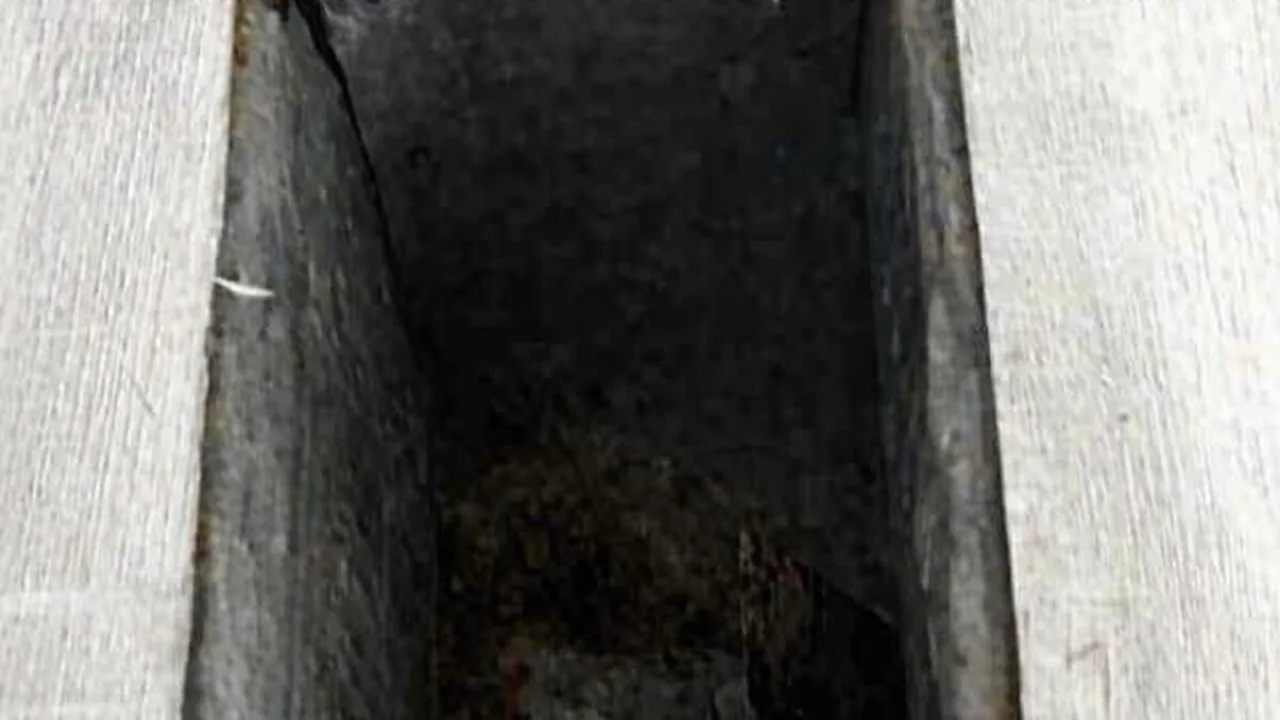
The fast answer: before you book a commercial duct cleaning, get straight answers to five questions. How does the crew clean, and how is the dirt contained? Does the quote start with a site survey, or is it a guess made over the phone? What documentation lands in your file afterwards? When can the work run, so your building never has to close for it? And exactly which parts of the system are included — and which are not? Those five answers separate a documented commercial air duct cleaning from a quick blow-through — and decide whether you end up with a real record, or just a receipt.
Why commercial ductwork is its own job
A house has one system and a short run of ductwork. A commercial building has rooftop or multi-zone systems, long trunk lines, branches serving rooms with completely different uses, and a system that runs ten or more hours a day, every working day. That duty cycle loads ductwork faster, and the complaints surface differently: a conference room that is always stuffy, odours travelling between suites, dust settling on desks and merchandise, one tenant too hot while the next is too cold. Across the DMV we see the same pattern in the office corridors of Rockville and Bethesda, medical and dental suites in Silver Spring, and retail and restaurant spaces from Columbia to Laurel.
Question 1: How do you clean — and where does the dirt go?
The method you want has a name: source removal. Buildup is loosened by contact — rotary brushes and air whips working the inside of each run — while the system is held under negative pressure by a HEPA-filtered vacuum, so everything removed travels one way: out of the building's air and into the machine. Our published cleaning standard sets out the sequence step by step. The answer to be wary of is a vent-only pass: diffusers wiped, a hose waved into the first few feet, and the trunk lines — where most of the load actually sits — never touched. In a commercial system that is not a smaller cleaning — it is a cosmetic job wearing the same name.
Question 2: Does the quote start with a survey?
Nobody can price a commercial system honestly from a phone call, because nobody on the phone knows your access points, ceiling heights, zone count, or what condition the runs are in. A proper process starts with a site survey: the system is mapped, access is checked, and the scope is written down zone by zone. Only then do you get a fixed quote, confirmed before work begins. If the scope genuinely changes once cameras are inside — a disconnected run, a section crushed during an old fit-out — you should hear about it with photos in hand before anyone proceeds, not on the invoice.
Question 3: What documentation do I get?
For a facility manager, the paperwork is half the product. Expect before-and-after camera photos from inside your own ductwork, a written summary of what was cleaned, and a findings note covering anything the camera turned up — damaged or disconnected sections, moisture staining, debris left by past construction. Our proof and documentation approach exists because clients file this material: it answers tenant questions, supports lease handovers, and gives the next manager a baseline instead of a mystery. If a vendor cannot show you what their documentation looks like before you sign, assume there is none.
Question 4: When can you work — and around whom?
A building cannot stop so its ducts can be cleaned. Ask how the crew phases the job: zone by zone in an occupied building, evenings and off-hours where the space demands it, coordinated with your security and access procedures. Medical suites, restaurants and schools each carry their own windows — treatment rooms after the last patient, dining rooms after service, classrooms during breaks. A crew that asks about your calendar before quoting dates is a crew that has done this before. Multi-site portfolios deserve the same question at portfolio level: one schedule, one documentation format, every location.
Question 5: What exactly is included — and what is not?
Get the scope in writing, item by item. A complete commercial scope covers every supply and return, the trunk lines, and diffusers and grilles removed, cleaned and reinstalled. Access panels, where a system needs them, should be cut properly and resealed. Ask separately about the extras your building may genuinely need: dryer and exhaust vent cleaning for on-site laundries, salons and gyms, and sanitizing where a moisture or odour history calls for it — our guide to growth in air ducts explains honestly where that line sits. And ask what happens when the camera finds a problem cleaning cannot fix, such as a damaged run: the right answer is photos and a referral to the right trade — not a bigger cleaning sold as the cure.
How often should a commercial system be cleaned?
There is no single calendar, and a vendor who names one before seeing your building is guessing. The honest rhythm is inspection-led: put the system on a survey cycle, let a camera inspection show the actual load, and clean on condition. High-use buildings — restaurants, clinics, gyms, busy retail — load their systems faster than a quiet office and land on shorter intervals. What matters is that the interval comes from evidence inside your ducts — not from a sales rep's quota.
Start with the survey
Our crews run from Beltsville across Maryland, Washington DC and Northern Virginia, and the first step is the free site survey: we map the system, show you what the camera finds, and give you a fixed written quote before any work is scheduled. Call Eagle Air Duct Cleaning at (855) 640-0404 — answered 24/7 — or use the lead form on this page, and bring your five questions. We would rather answer them all than skip the one that mattered.
Want us to look inside your ducts?
Book a cleaning or a camera inspection — and get the seasonal free dryer vent cleaning with a full duct cleaning, same visit.