
Blog · 2026-11-20
How to Prepare Your Home for a Duct Cleaning Visit
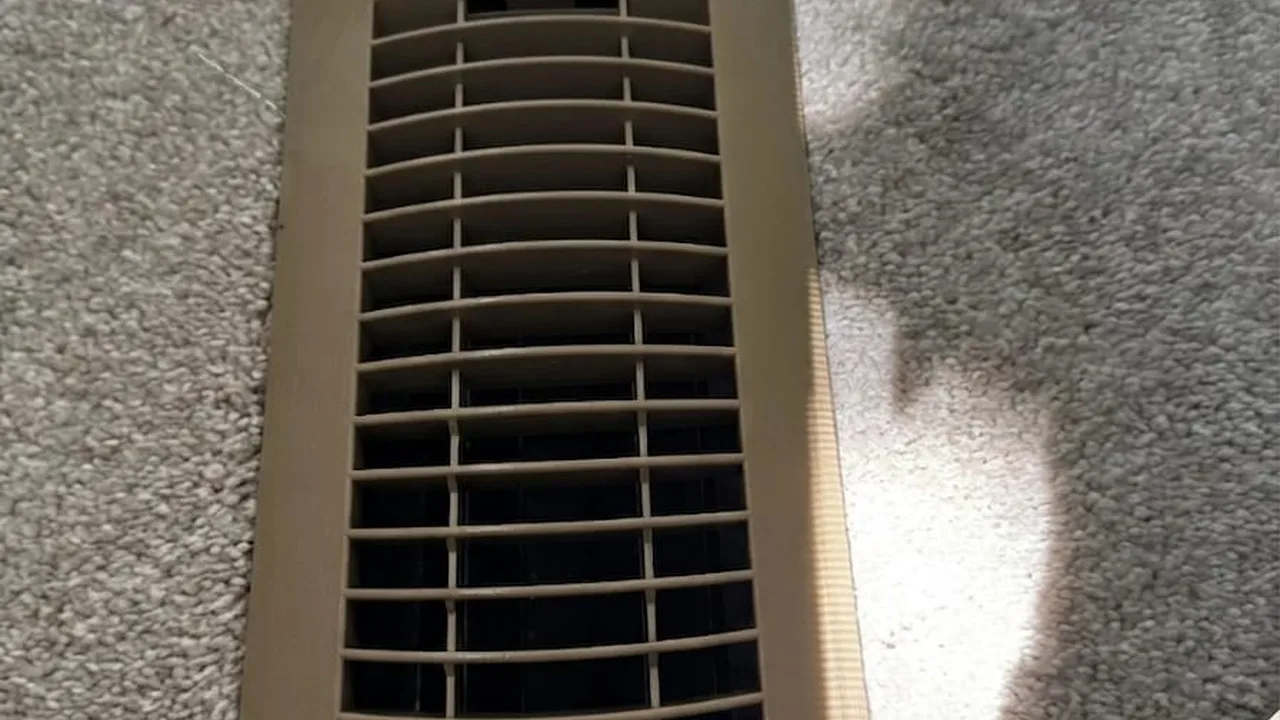
The fast answer: you do not need to deep-clean your house before a duct cleaning — you need to give the crew clear access. In about thirty minutes you can clear the floor around every supply and return vent, open a path to the air handler, plan a quiet room for pets, and note the rooms and vents you are most concerned about. That small amount of prep is the difference between a full-system air duct cleaning that reaches every run and a visit slowed down by furniture, storage boxes and locked doors.
What the crew actually needs to reach
A proper cleaning is not a quick pass at the vents you can see from the doorway. Following our published cleaning standard, the crew works through every supply vent and every return in the system, the trunk lines, and the air handler itself, with the system sealed under negative pressure. That means access matters in three places: each vent cover in each room, the furnace or air handler in its closet, utility room, attic or crawlspace opening, and a workable route between them for hoses and equipment. Homes in Beltsville, Silver Spring and Rockville hide vents in the same predictable places — behind sofas, under beds, inside closets and behind the storage that slowly collects in a basement utility room. A vent the crew cannot reach cannot be cleaned, so finding them all first is the most useful prep of all.
The 30-minute prep checklist
Walk the house and find every vent. Go room by room, including bathrooms, closets, the basement and any finished attic space. Count floor, wall and ceiling registers and the larger return grilles. If a vent surprises you, it would have surprised the schedule too.
Clear two to three feet around each vent. Slide sofas and chairs back, move toy bins, shoe racks and storage boxes, and lift anything sitting directly on a floor register. Rugs over floor vents should be rolled back. The crew will remove, wash and reinstall every cover — they just need room to work.
Open the path to the air handler. Clear the area in front of the furnace or air handler so the blower compartment can be opened and the camera and vacuum connections set up. If the unit sits behind a locked utility door or a gate, have the key or code ready.
Make a list of your concerns. Which rooms run dusty? Where does the musty startup smell seem strongest? Which bedroom never reaches temperature? That list, mentioned at the door, tells the technician where to aim the camera inspection first — the same evidence-first approach in our guide to the signs ducts need cleaning.
Decide on the dryer vent at the same time. The dryer vent line is a separate system with its own annual rule for fire safety. Clear access to the back of the dryer and the exterior cap, and both jobs can happen in one appointment.
Pets, children and working from home
Doors open and close throughout a cleaning, equipment hums, and vent covers come off — an exciting day for a dog and a stressful one for a cat. Plan a closed room, a neighbour visit or a walk schedule that keeps pets clear of the work areas. Young children do fine in the house as long as they have a room away from the hoses and the open registers. If you work from home in Bethesda or Columbia, expect normal conversation-level noise plus vacuum sound in bursts — most customers simply close the office door and carry on, but a critical call is better scheduled outside the two-to-four-hour window of a typical home cleaning.
What happens during the visit, so nothing surprises you
The crew protects floors along the hose route, seals the system, and connects the negative-air machine before any brushing begins, so loosened dust travels into the HEPA-filtered vacuum rather than into your rooms. Covers come off room by room and go back washed. The camera goes in before cleaning on the runs that tell the story, and again afterwards on the same runs, so your before-and-after photos show the same angles. If the camera finds a crushed or disconnected run, you will see it on screen with an honest explanation of what cleaning can and cannot fix — the boundaries we set out in duct cleaning versus HVAC maintenance. You are welcome at the monitor for every photo.
What you do not need to do
Skip the pre-visit deep clean — surfaces will be checked at the end anyway, and normal tidying is plenty. Do not vacuum inside the ducts yourself or push a home vacuum hose down a run; it cannot reach the trunk lines, and it can push debris deeper or damage a flexible run. Do not close off vents in unused rooms to prepare; the system is cleaned as a whole, and every run needs to be open. And do not worry about the filter: note its size if you know it, and the crew will tell you honestly whether it needs changing as part of the visit.
After the crew leaves
Run the system normally. A faint, short-lived smell of a cleaned system is normal on the first cycle; the musty startup smell that came from buildup should be gone with its source. Keep the before-and-after photos and write the date on your home calendar — the three-to-five-year rhythm in our how-often guide is easy to follow when the last visit is a fact rather than a guess.
Booked already — or still deciding?
If your visit is booked, thirty minutes with this checklist is all the preparation a thorough cleaning asks for. If you are still deciding, start with the camera: we will show you the inside of your own ducts and tell you plainly whether the answer is clean now or wait. Call Eagle Air Duct Cleaning at (855) 640-0404 — answered 24/7 — or use the lead form on this page for a free quote. We serve Beltsville and communities across Maryland, Washington DC and Northern Virginia.
Want us to look inside your ducts?
Book a cleaning or a camera inspection — and get the seasonal free dryer vent cleaning with a full duct cleaning, same visit.