
Blog · 2026-11-22
Maryland Summer Humidity and Your Ducts: Why Musty Air Starts Inside the System
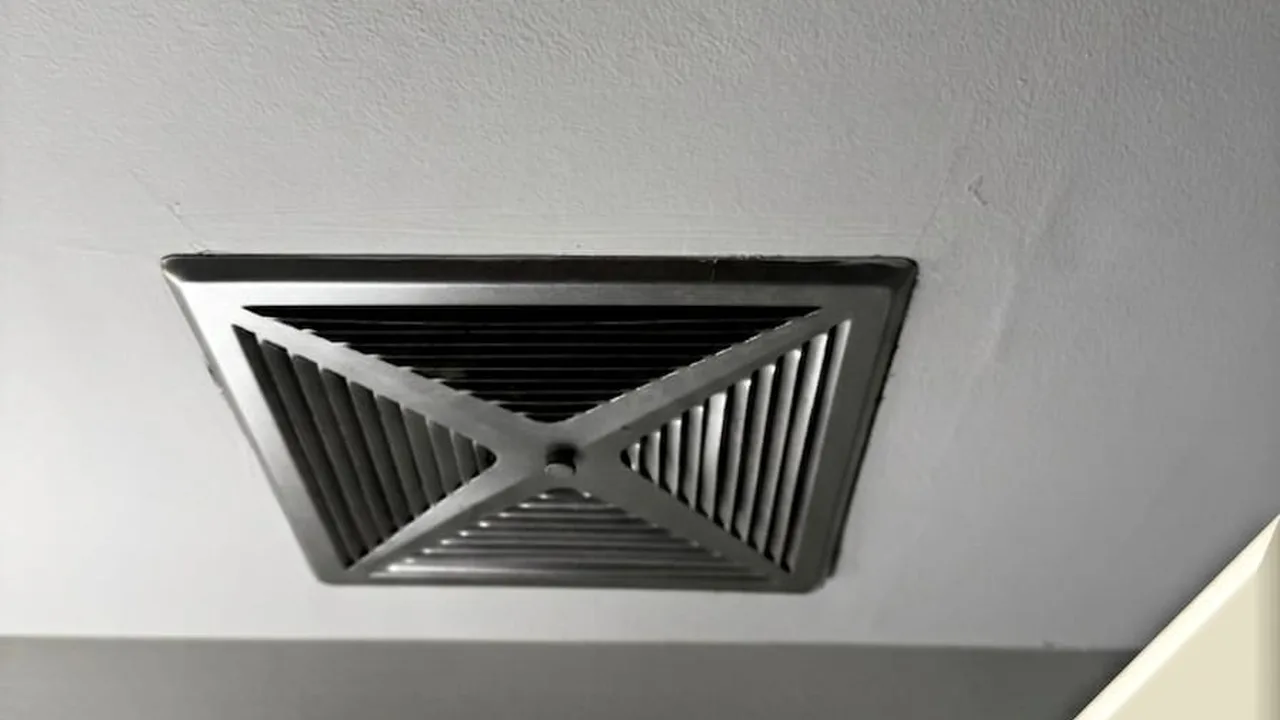
The fast answer: Maryland summers are humid, and your ductwork is the coldest surface in the house while the air conditioning runs. Warm, moist air that reaches those cool duct surfaces can condense there — and where that moisture meets the dust layer every system collects, a musty smell and growth on the buildup follow. The fix is not a scented spray. It is finding the moisture source, removing the dust it feeds on with a full-system air duct cleaning, and keeping indoor humidity in range so the problem does not simply restart.
Why summer is the moisture season for ductwork
Winter in Maryland is the closed-house season, but summer is the wet one. From June through September, outdoor air across Beltsville, Silver Spring and Columbia routinely carries heavy humidity, and every open door, every trip through the garage and every load of laundry adds more moisture indoors. Meanwhile the cooling side of your system is running for hours a day, chilling the inside of supply ducts well below the temperature of the air around them — especially runs through a hot attic, a garage ceiling or an unconditioned crawlspace. Cold surface, humid air, a temperature gap: that is the recipe for condensation, and ductwork offers more cold surface than any other part of the home.
Where the moisture actually collects
On attic and crawlspace runs. A supply run crossing a hot, humid attic is cold inside and warm outside. If its insulation is thin, torn or missing in a section, moisture forms on the metal and can drip, stain and wet the dust inside nearby joints. Around the air handler and coil area. The evaporator coil is wet by design while it cools, and it depends on its drain line staying clear. A slow or partly blocked drain backs water up where it does not belong — near the plenum and the first feet of ductwork. Inside the dust layer itself. Dust is absorbent. A loaded return or trunk line holds moisture the way a sponge does, which is why the musty smell is often strongest in the first minutes of a cooling cycle, when air first moves across a damp, loaded surface. A duct camera inspection shows exactly which runs are involved.
The summer signs homeowners misread
A musty smell that arrives with the cold air. Not at startup in autumn — our guide to the burning-dust smell when the heat comes on covers that separate case — but in July, every time the cooling kicks on. Dark staining around a supply register, or a register that sweats and drips on the most humid days. Symptoms that track the cooling season: congestion and sneezing that are worse on high-humidity weeks and ease in drier weather, in homes from Rockville to Bowie. A filter that feels damp or loads unevenly. Together they make the duct system the first place worth looking: it touches the air in every room.
What helps, in the right order
First, the moisture source. Check that the condensate drain is flowing, that attic and crawlspace runs are insulated along their full length, and that bathroom and kitchen exhausts vent outside rather than into an attic. Keep indoor humidity in a sensible middle range with the system itself or a dehumidifier where a basement needs one. Cleaning a system whose moisture source is still active is a countdown, not a cure — the same honest boundary we set out in our article on growth in air ducts.
Second, remove what the moisture has been feeding on. A full-system cleaning takes out the dust and debris layer from every supply, every return and the trunk lines, by contact brushing under sealed negative pressure, following our published cleaning standard. Growth that lives on that layer leaves with it. The camera goes in before and after, so you see the same runs prove the material is gone.
Third, treat the surfaces where the situation calls for it. Where a musty smell lived in the vents or growth was part of the picture, duct sanitizing after the cleaning is the standard finish. Our guide to when duct sanitizing is worth it explains the honest cases — and why treating dirty ducts without cleaning first accomplishes nothing.
Summer habits that keep ducts drier
Let the fan finish its work. After a cooling cycle, the coil and nearby surfaces are wet; a fan setting that lets the system dry itself between cycles helps more than short, constant start-stop running. Change the filter on its summer rhythm. A loaded filter restricts airflow, and restricted airflow makes coils colder and wetter than they should be. Check monthly while the cooling runs daily. Keep supply registers open. Closing many vents to push air elsewhere raises pressure and can make condensation and uneven rooms worse, not better. Watch the rooms that add moisture. Long showers, indoor laundry drying and heavy cooking all load the air the returns then pull through the system; exhaust fans exist for exactly those minutes, so use them and let them run a little past the end.
When to book — and when to look elsewhere first
Book an inspection or a cleaning when the musty smell arrives with the cold air cycle after cycle, when staining shows at registers, or when the honest answer to when the ducts were last cleaned is a guess. Start elsewhere when there is standing water, a plumbing leak or a roof leak near the system: fix the water first, with the right trade, and then let the camera show what the ducts still hold. Our comparison of duct cleaning versus HVAC maintenance explains which side of the system each job covers, so a drain or coil problem is not mistaken for a duct problem, or the other way round.
Meet the humid months with a dry, clean system
You cannot change a Maryland summer. You can change what your cooled air passes through on its way to every room. Call Eagle Air Duct Cleaning at (855) 640-0404 — answered 24/7 — or use the lead form on this page to book a summer cleaning, or a camera inspection first if you want to see inside your own ducts before deciding. We serve Beltsville and communities across Maryland, Washington DC and Northern Virginia, and every quote is free.
Want us to look inside your ducts?
Book a cleaning or a camera inspection — and get the seasonal free dryer vent cleaning with a full duct cleaning, same visit.