
Blog · 2026-11-13
Can Cleaning Your Ducts Actually Improve Indoor Air Quality?
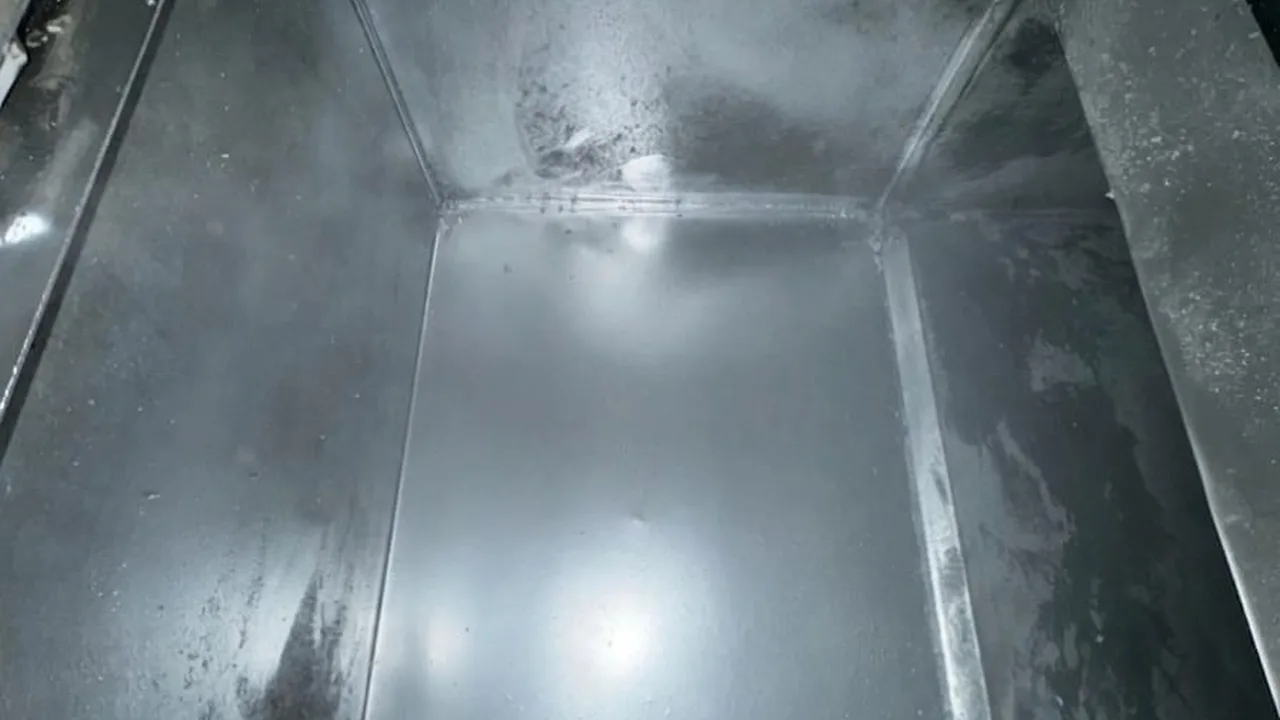
Indoor air quality advice tends to arrive in two flavours: duct cleaning as a cure-all, or duct cleaning as a scam. Both are wrong, and Maryland homeowners deserve the version in the middle — what a full-system cleaning measurably changes about the air in your home, and what remains somebody else's job.
The reservoir idea
Think of your ductwork as a reservoir. Every system collects dust, pollen, dander, construction debris and the fine grey load of everyday living, and every heating or cooling cycle moves air across that collection. A share of it re-entrains — lifts back into the airstream — and lands in your rooms as the dust film on furniture, the triggers behind indoor allergy symptoms, and the stale smell at startup. Cleaning empties the reservoir. That is the entire mechanism, and it is a real one: less stored material in the ducts means less material available to circulate.
What homeowners actually notice
Dust that stays away longer. When the reservoir is a major dust source, surfaces stay clean noticeably longer after a cleaning. The startup smell goes. The musty blast in the first minutes of a cycle is the reservoir announcing itself; removing the source, with sanitizing where growth is involved, ends it. Indoor symptoms ease for many allergy households — not because ducts were the only trigger, but because one large, constantly-circulated trigger is gone. Our allergy-focused service exists for exactly these homes.
What cleaning does not do
Honesty cuts both ways. A cleaning does not filter your air going forward — that is the filter's job, on its monthly-to-quarterly schedule. It does not fix ventilation problems, humidity problems or a smoking household's habits. And a system that the camera shows to be lightly filmed and clean does not need cleaning for air quality at all; the three-to-five-year rhythm exists because loading is gradual. Anyone promising purified air forever from a single visit is selling, not informing.
Where the biggest gains are
The homes that gain most share a profile: systems never cleaned or long overdue, pets in the house, allergy or asthma sufferers, a recent renovation, or a move into a home with an unknown history. For those homes the reservoir is full and the change is obvious. A spring pollen season in Maryland is the stress test — a cleaned system meets it empty.
The habits that keep the gains
Emptying the reservoir is the event; what you do between cleanings decides how long the improvement lasts. Filter discipline comes first — the right size, seated properly, changed on the manufacturer's rhythm rather than when it looks grey. Returns stay unblocked: a sofa pushed against the main return starves the system and stirs settled dust around the room instead of capturing it. Dust with a damp cloth rather than a dry duster, which mostly relocates the problem into the air you are about to breathe.
Keep the expectations honest, too. Ductwork is one reservoir among several — carpets, upholstery, bedding and curtains all hold their share. The households that notice the biggest change after a cleaning are the ones that pair it with those habits, so the system they emptied is not refilled by the rooms around it.
Judge it the way we do: on evidence
Before any cleaning, the camera shows you the inside of your own ducts; after it, the same runs from the same angles. That before-and-after record — the heart of our proof and documentation approach — is how an air-quality claim stops being a promise and becomes something you can see. Call (855) 640-0404 to book a cleaning, or an inspection first if you would rather look before you leap.
Questions we hear on this topic
No honest company promises that. What cleaning does is empty one large reservoir of pollen, dander and dust that your system re-circulates on every cycle. Many allergy households tell us mornings indoors feel easier afterwards — but it is one part of an allergy plan, not a cure, and the medical side belongs to your doctor.
They do different jobs. Cleaning removes the stored load from inside the duct system itself; a purifier treats only the air that passes through one room. A home with a freshly cleaned system generally asks less of a purifier, not more.
The dusting interval is the usual tell — most customers notice dust returning to furniture more slowly within the first weeks. A musty smell in the first minutes of a cycle disappears immediately, when the ducts were its source.
Want us to look inside your ducts?
Book a cleaning or a camera inspection — and get the seasonal free dryer vent cleaning with a full duct cleaning, same visit.